Select your language
Observe & Identify
- Details
- Category: Observe & Identify
- Class: Aves
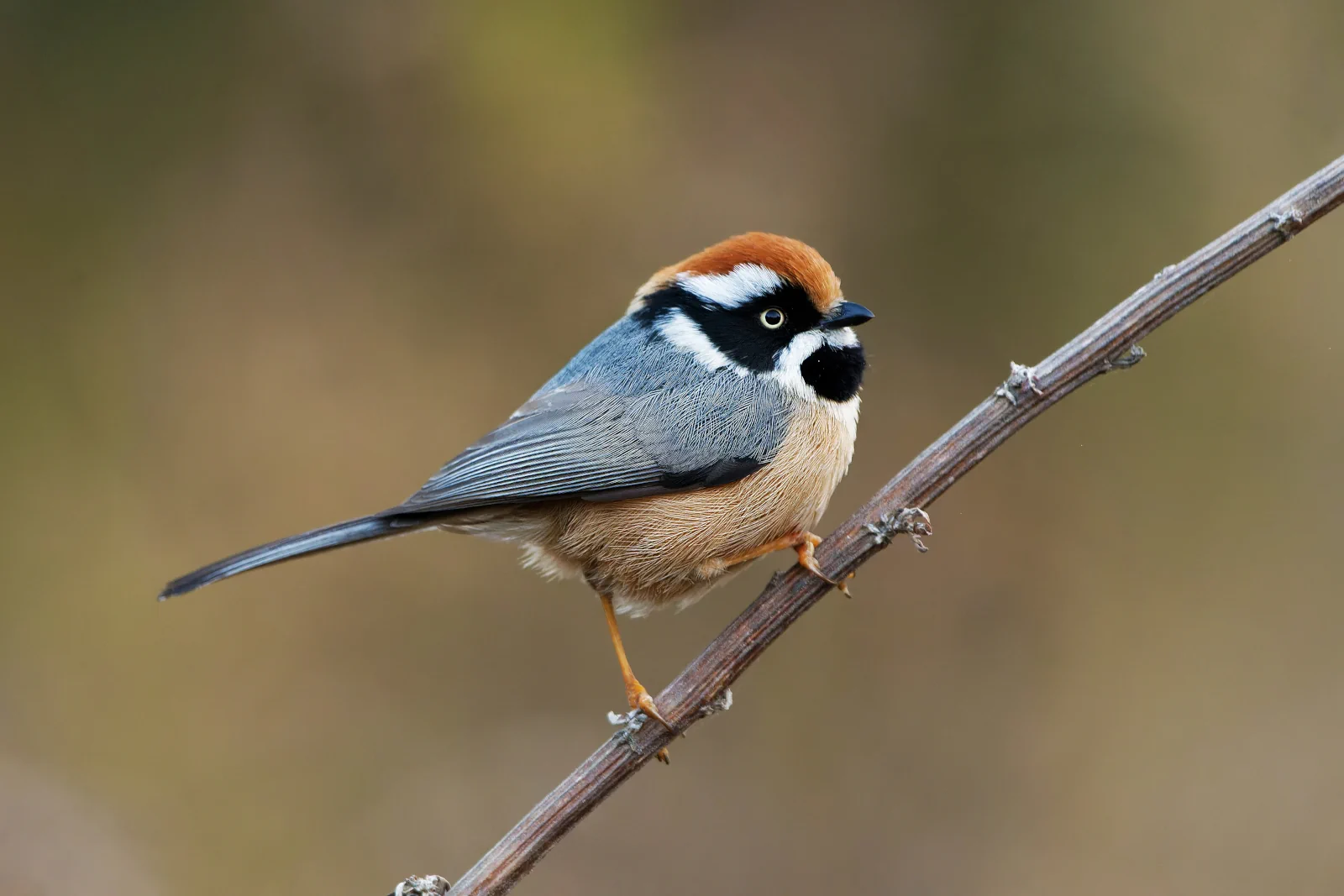
The Black-throated Tit (also known as the Black-throated Bushtit or Red-headed Tit, Aegithalos concinnus) is one of the most charming and instantly recognizable songbirds of Asia's mountain forests. Barely ten centimetres long, it wears a jewel-like combination of colours: a bright chestnut-red crown and nape, a bold black mask sweeping across the eyes and down to the throat (which gives the species its English name), snowy-white cheeks and underparts, a chestnut breast band, and blue-grey upperparts. It lives almost permanently in small, restless flocks that thread through the canopy, hanging upside-down and probing every leaf in search of tiny insects, announcing their presence with continuous high-pitched twittering that carries far through the forest. In Taiwan, it holds a special status: it is the island's only known native member of the bushtit family (Aegithalidae), and one of the most common and beloved birds of its mid-elevation forests, from Alishan to the Central Mountain Range. Seeing a flock of these tiny, fierce-eyed "little tigers" (their local nickname) working through a moss-draped oak is one of the purest pleasures of Asian mountain birding.
- Details
- Category: Observe & Identify
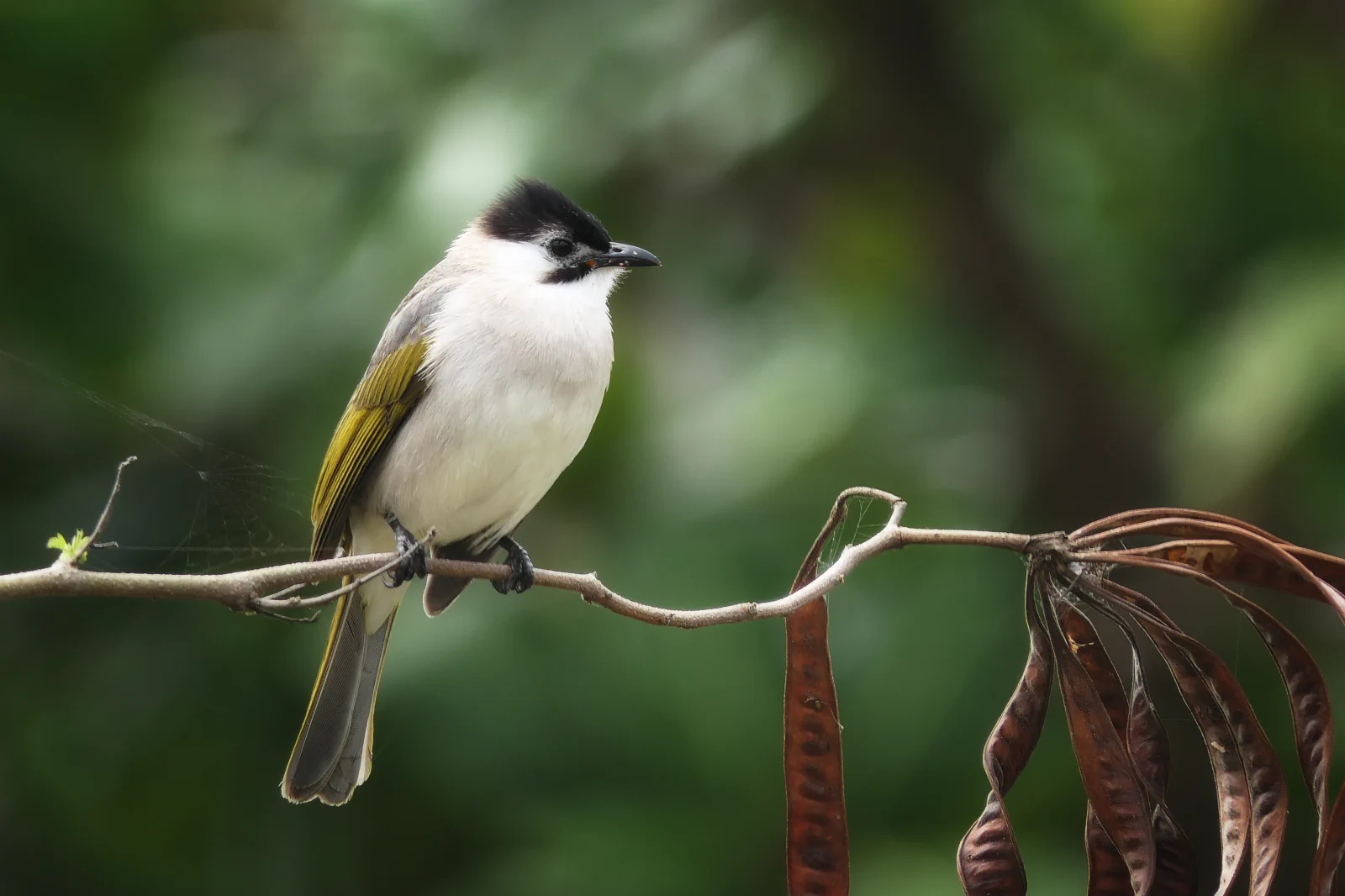
The Taiwan Bulbul (Pycnonotus taivanus), also known as Styan's Bulbul, is one of the most emblematic birds of Taiwan, yet it often goes unnoticed behind its far more common and widespread cousin, the Light-vented Bulbul (Pycnonotus sinensis), to which it is so closely related that it hybridises with it to the point of being threatened. With its jet-black cap, white facial mask, the discreet orange-red spot at the base of the lower mandible, and its olive-brown back, it has the look of a lively, cheerful passerine perched atop a bush or low tree. It is found wherever there is a forest edge, a hedgerow, a shaded garden, or secondary scrub along the villages of eastern and southern Taiwan, occupying a vantage point from which it watches for ripe fruit and flying insects.
- Details
- Category: Observe & Identify
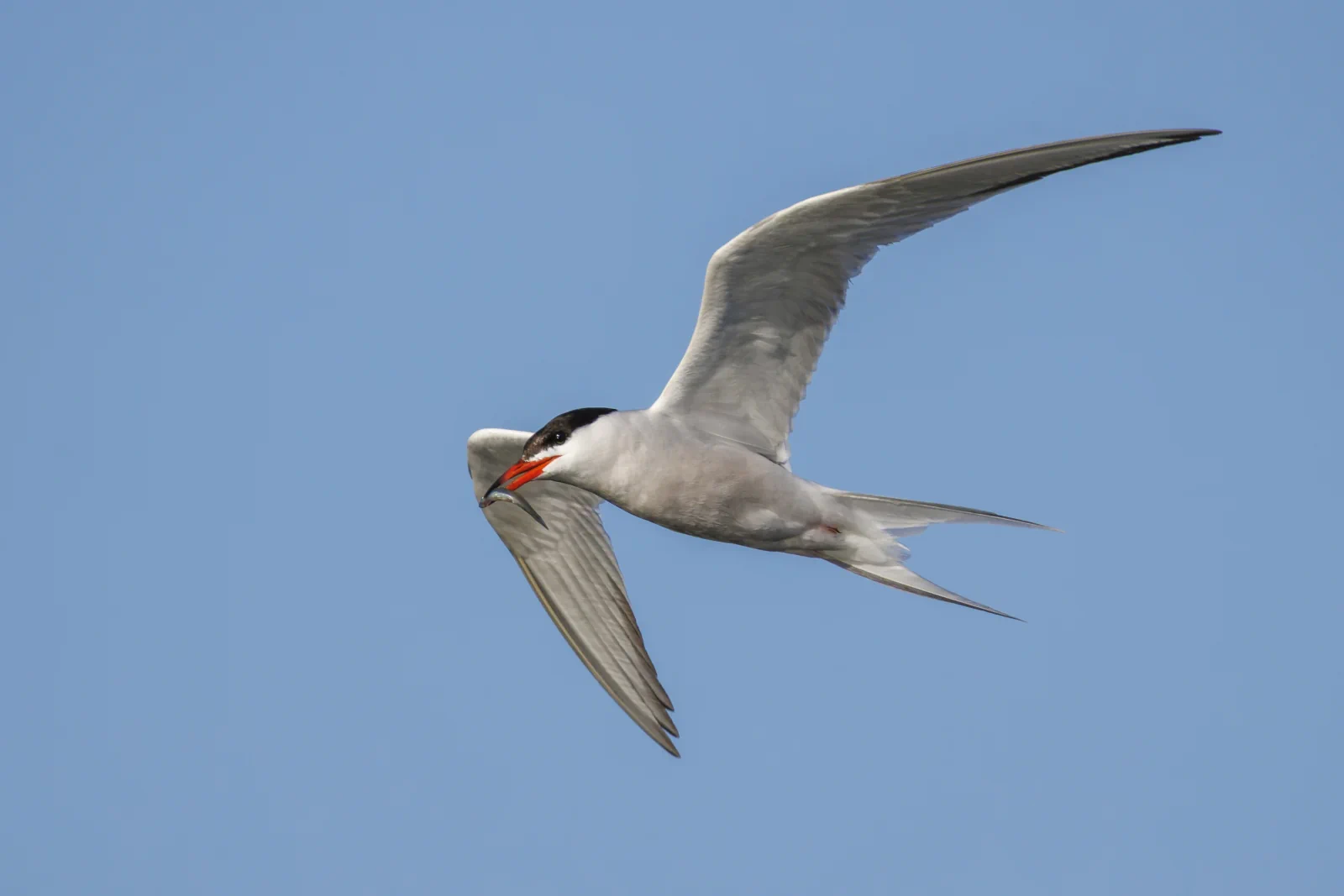
The Common Tern is one of the most familiar seabirds of our coastlines and inland waters, yet it often goes unnoticed behind its larger cousin, the Caspian Tern, or is mistaken for the Arctic Tern, which it closely resembles. With its pearl-grey plumage, black cap, bright orange-red bill with a black tip, and deeply forked tail, it has the look of an elegant little sailplane skimming above the waves. It is found wherever there is a fish-rich stretch of water — coastline, estuary, lake, broad river, or flooded gravel pit — hovering over the surface, freezing in mid-air, then plunging abruptly to seize a fish.
- Details
- Category: Observe & Identify
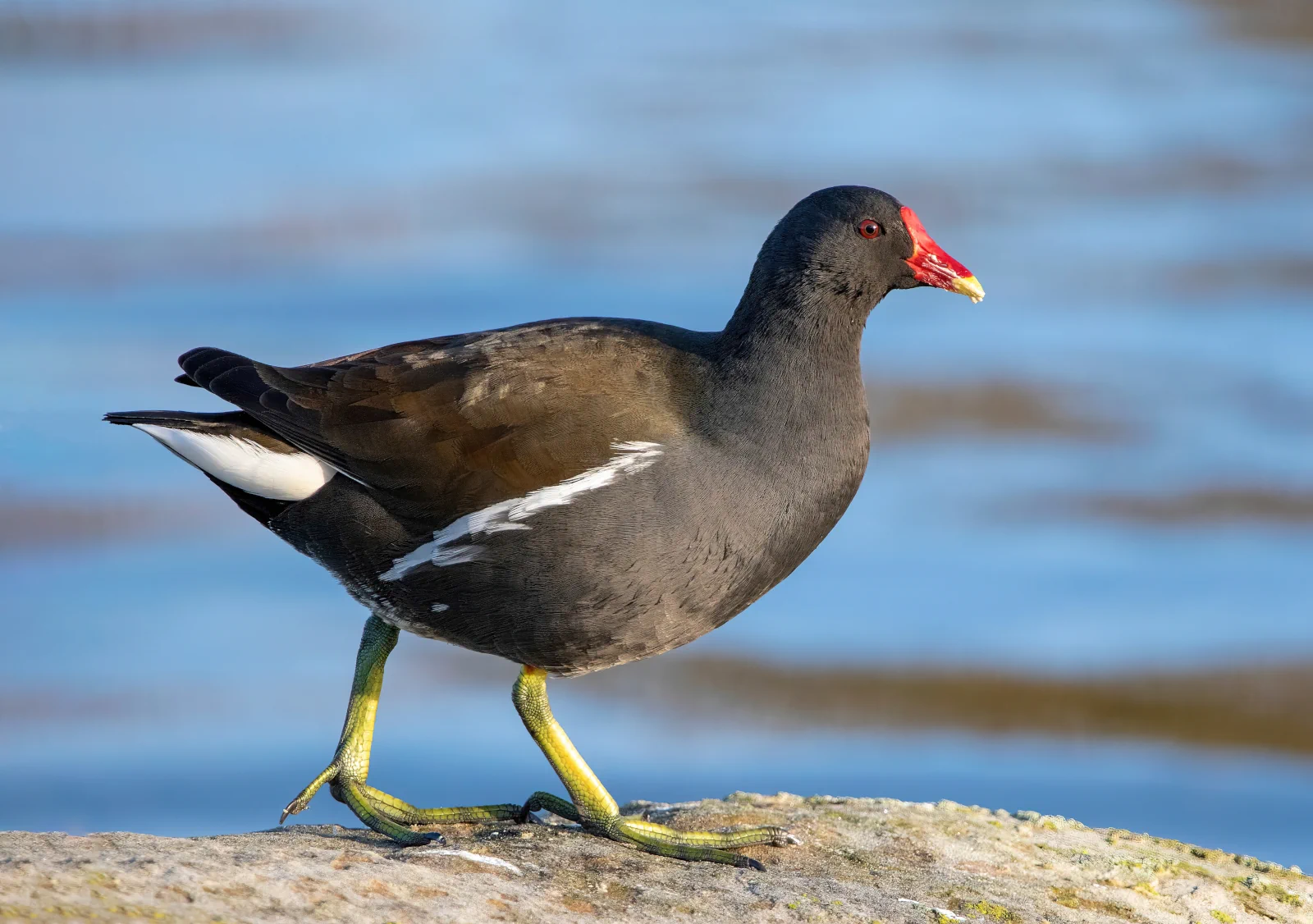
The Common Moorhen is one of the most familiar aquatic birds of our ponds and quiet waterways, yet it often goes unnoticed behind its more conspicuous cousin, the Eurasian Coot. With its slate-grey plumage, bright red frontal shield and red bill with a yellow tip, it has the look of an elegant little hen that slips between the reeds. It can be found wherever there is a sheet of freshwater bordered by vegetation, pecking at aquatic plants, swimming with its tail cocked, or vanishing suddenly into the reed beds.
- Details
- Category: Observe & Identify
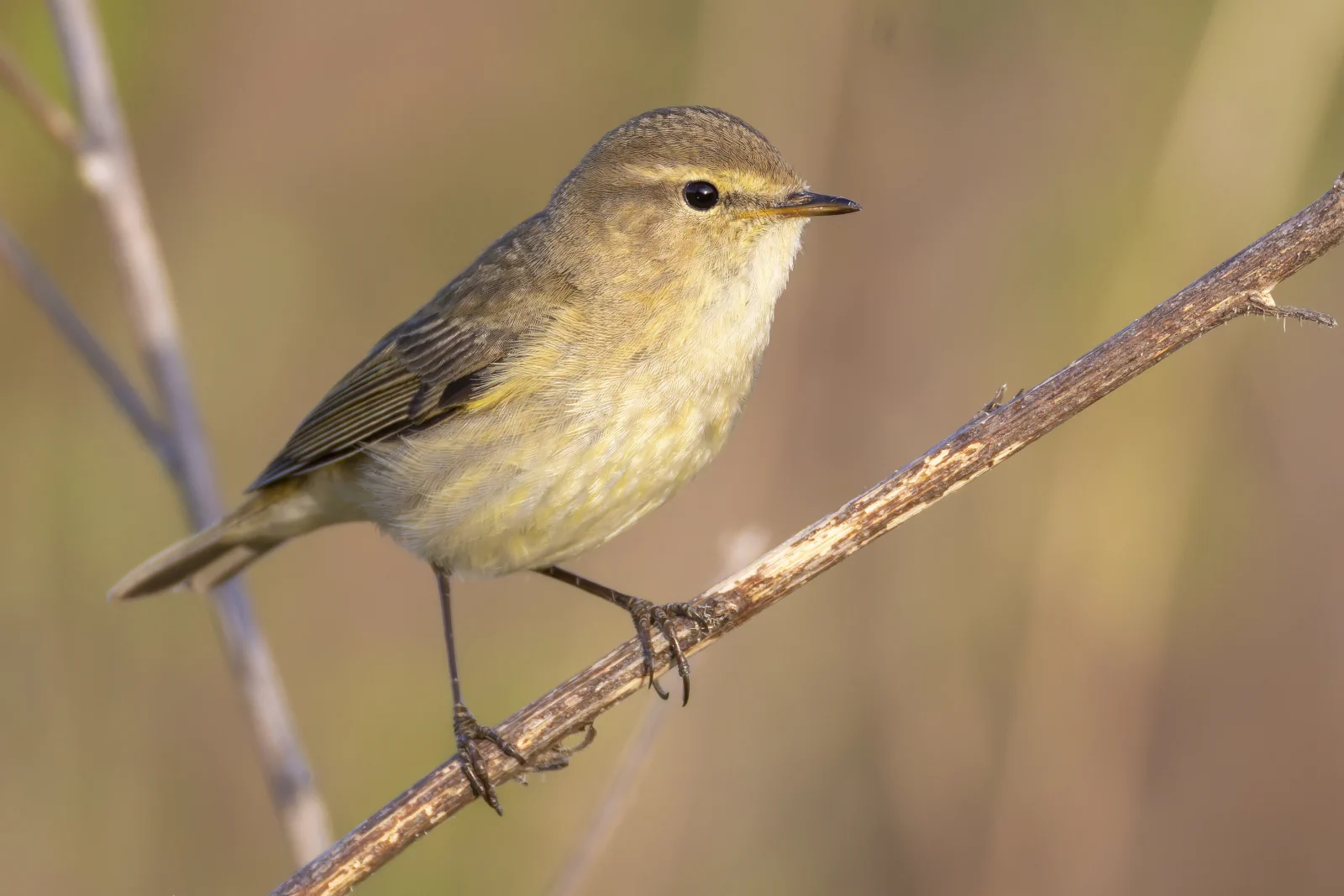
The Common Chiffchaff (Phylloscopus collybita) is one of the smallest passerines observable in our woodlands, gardens, and forests. With its discreet silhouette, dull olive-brown plumage, and constantly active behavior, this bird is difficult to approach but its characteristic song regularly reveals its presence. This small insectivorous migrant is one of the first signs of spring's return in our temperate zones.
More Articles …
Topics

Recent comments
-
When the Night Becomes Night Again
8 months agoI really enjoyed this piece—especially the way it makes light pollution feel concrete, not abstract.

(Call at no extra charge)
We are here to help
Monday to Friday, from 9 a.m. to 7 p.m.