Select your language


Blog
- Details
- Category: For Teachers (Schools)
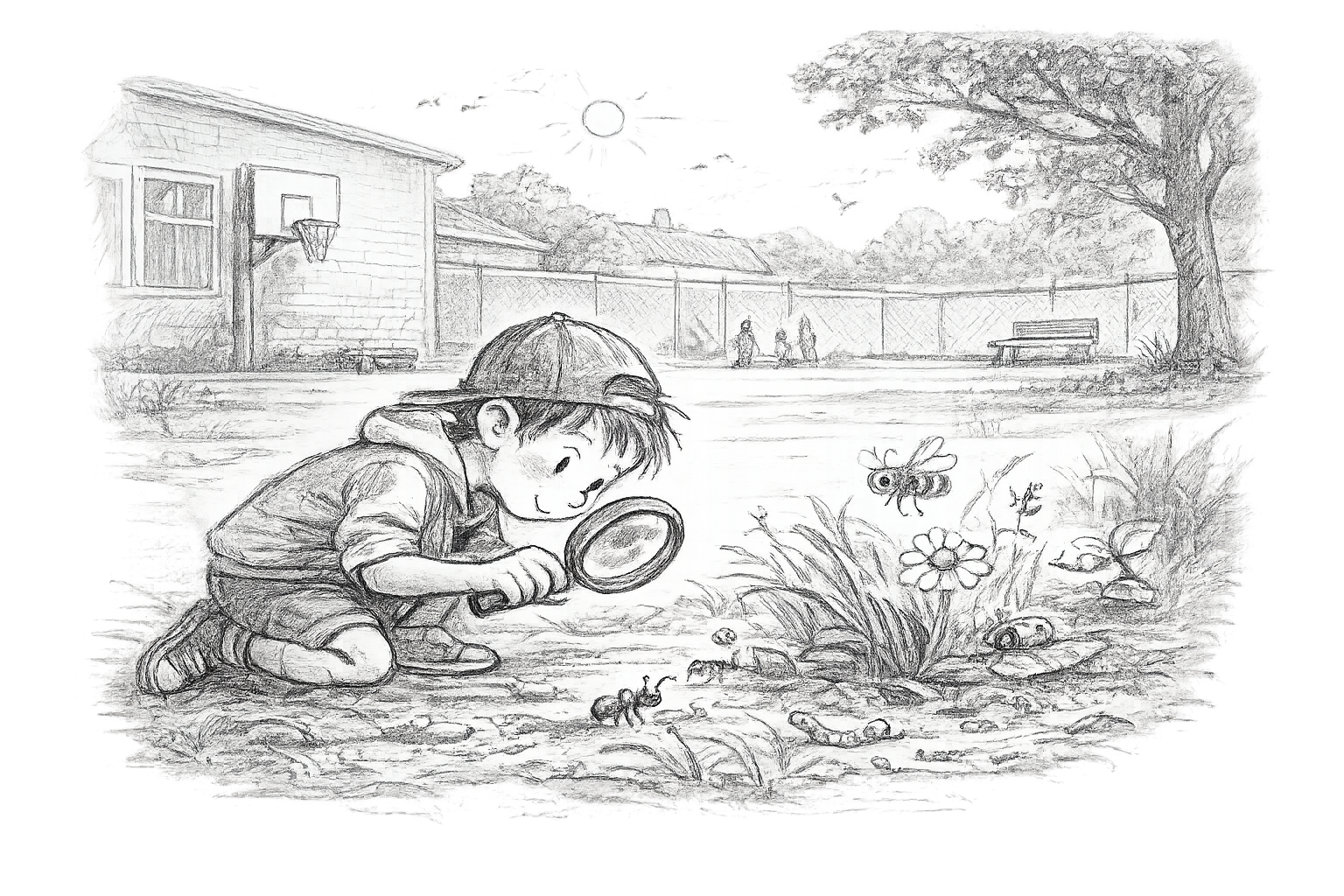
Warning: what follows may trigger, in some students, a sudden urge to stare out the window (but for good reasons). Because ESD isn’t a green punishment, nor a collection of “good habits” to recite between two multiplication tables. It’s an investigation: learning to notice the living world (even in a schoolyard made of asphalt), to ask the kind of questions that scratch, to check rather than simply believe, and to act without imagining yourself responsible for the state of the planet (they already bear the responsibility of the marker drying out without its cap). In short: a compass for growing up in a changing world… without losing your bearings or your blackbird.
- Details
- Category: Biodiversity at Work (CSR)
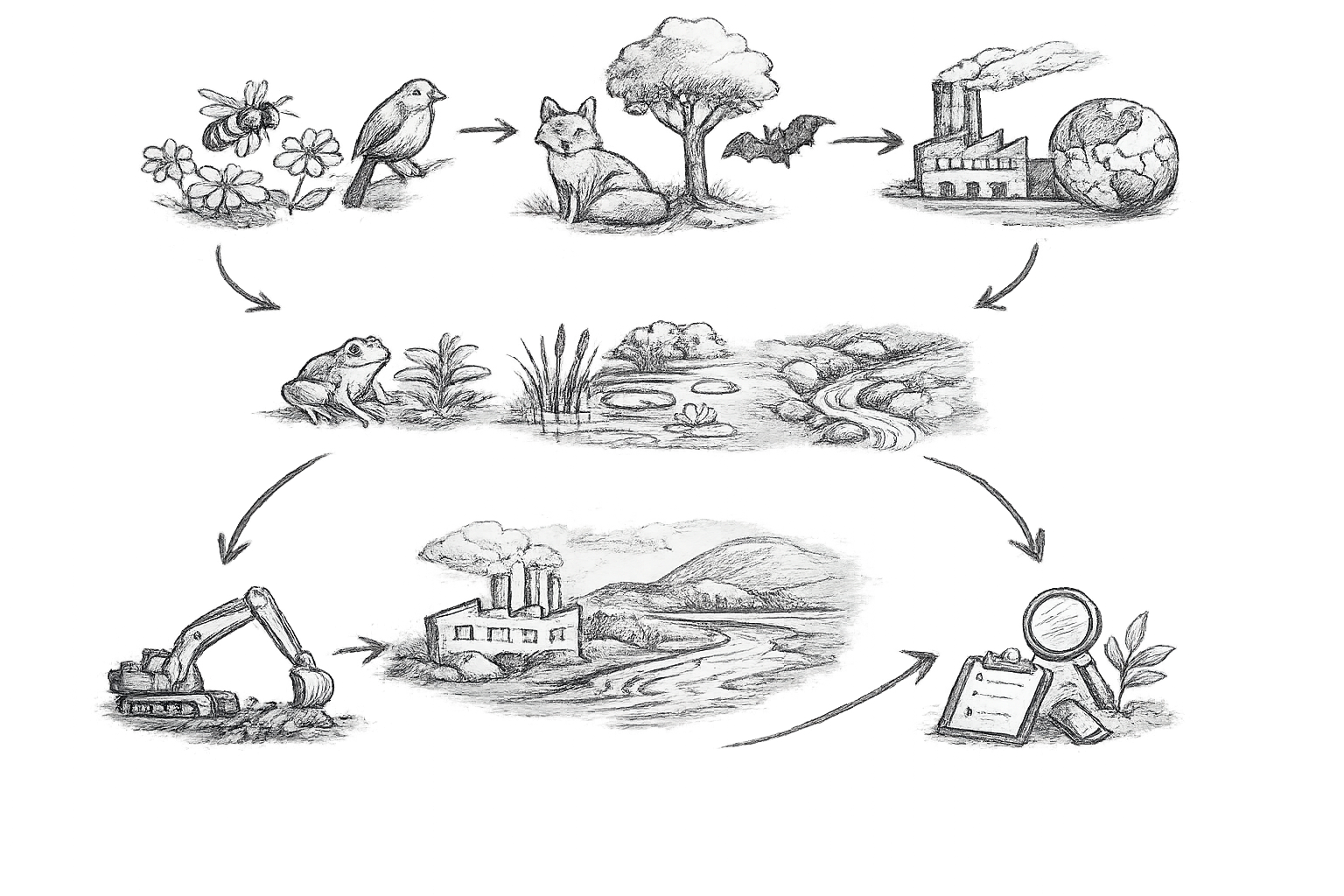
Some words are used so often that they start to lose their meaning. “Biodiversity” is one of them. In a business context, it is often associated with pleasant images: a few birds, trees being planted, a meadow corner, a beehive on a rooftop. That is already something. But biodiversity is far broader, and far more concrete. It is the living fabric that holds together water, soils, fertility, pollination, flood regulation, and a territory’s ability to absorb shocks. Understanding this means moving from a “nice-to-have” topic to a matter of responsibility.
- Details
- Category: Resources & Guides
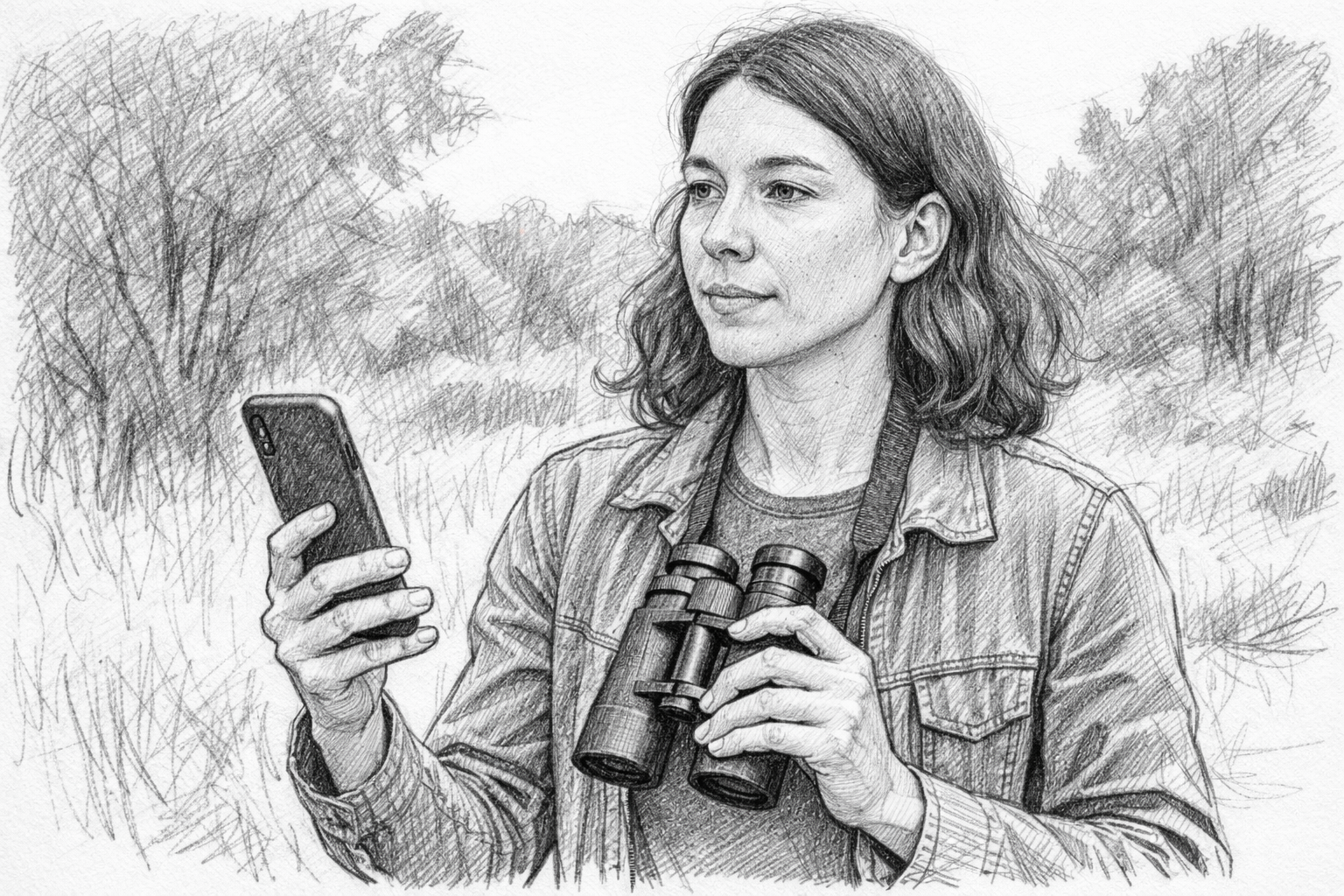
In the bustling world of amateur and professional birding, two apps stand out for recording wildlife observations: Faune-France, the French showcase of a network of regional portals, and eBird, a global platform backed by the renowned Cornell Lab of Ornithology. Available on both Android and iPhone, they offer complementary approaches to documenting bird biodiversity. Here is an overview of these two tools in the service of citizen science.
- Details
- Category: For Teachers (Schools)
A tiny ritual, a huge effect.
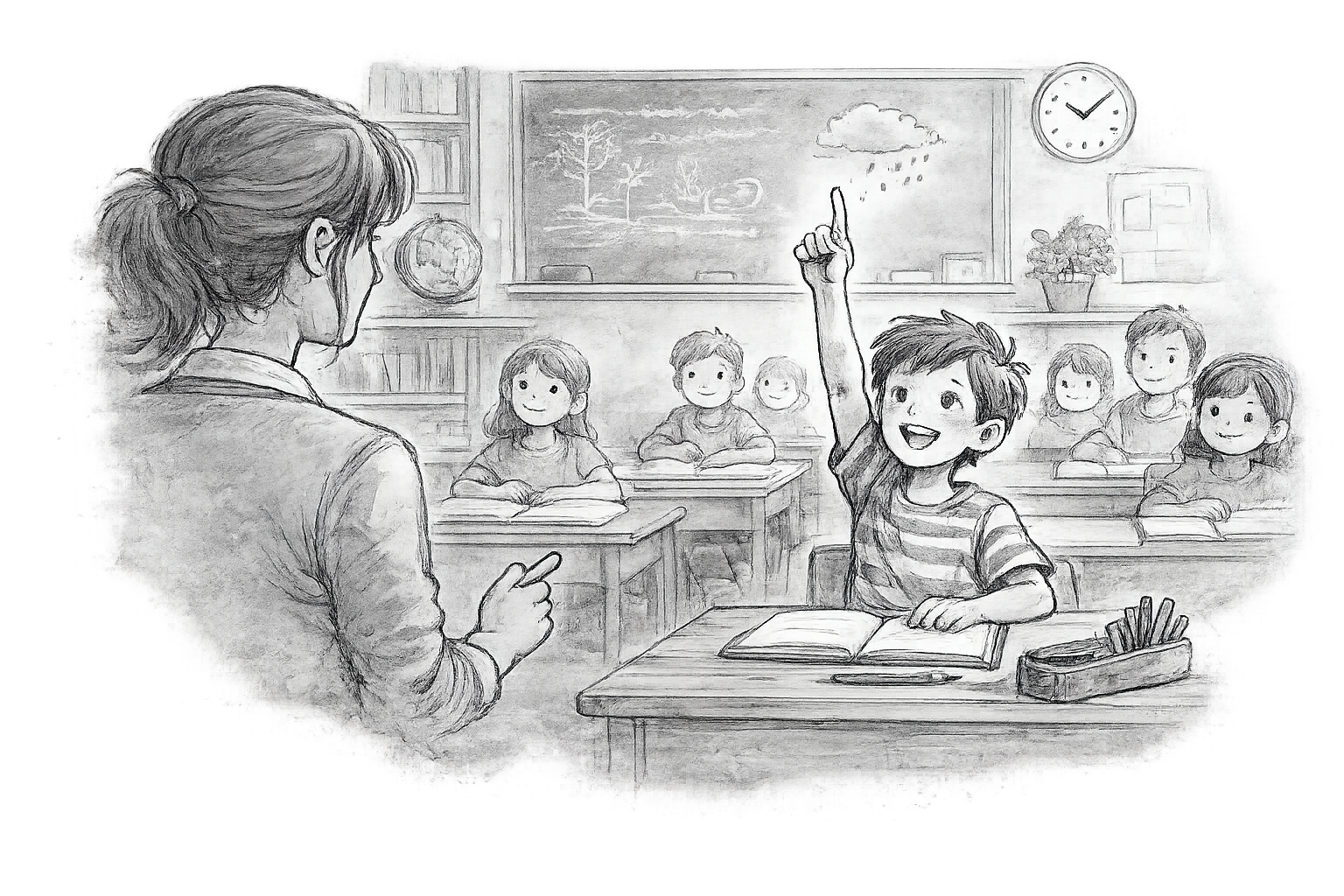
In a school day, there are those moments when you can feel attention fraying. The hubbub of recess still clings to sleeves, minds are elsewhere, and yet the lesson has to “begin.” You could raise your voice, speed up, tighten the schedule. Or you could do the opposite: open a small window onto the real world.
- Details
- Category: Nature Field Notes
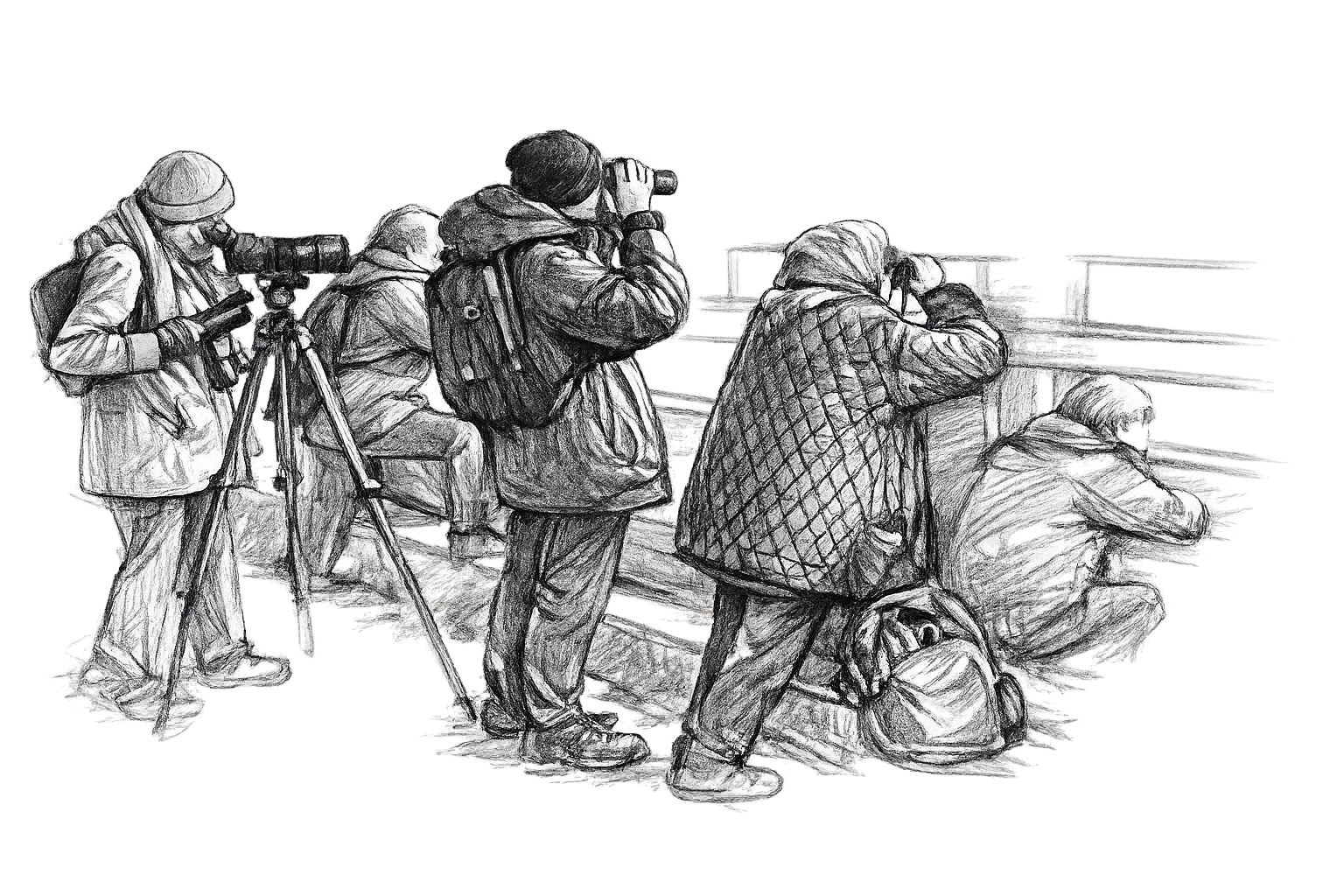
This morning, the ponds of Plessis-Brion showed that unforgettable winter face: pale light, crisp air, and the kind of sharp cold that grips you from the very first steps. On arrival, the thermometer was hovering around 1°C. Hands disappeared into pockets, breath turned into small clouds, yet everyone wore that same calm smile, the one that belongs to mornings made for watching.
We were a small group of six, perfectly sized, just the way we like it: small enough to hear everyone’s comments, share binoculars, enjoy a quick laugh over a detail, and let curiosity move freely from one person to another. Very quickly, good spirits won out over the cold. There’s a special kind of camaraderie on nature walks: the quiet exchanges so as not to break the stillness, the delighted whispers when a shape becomes clear, and that immediate kindness that appears when everyone is looking in the same direction.
At Le Fond pond, from the hide, the scene settled into place like a stage. On the water, the ducks set the tone: Mallards and Gadwalls, Teal with their lively profile, and even a Shoveler, remarkable here because one bird showed hybrid traits, which sparked conversation and sharpened everyone’s gaze. Tufted Ducks punctuated the pond with their steady dives, while Coots held their ground, confident as ever, those familiar black silhouettes with a pale bill. Overhead, a Great Cormorant passed with that slightly austere gravity that suits it so well, while a Grey Heron stood motionless, as if measuring time in its own way. And at the edge of this aquatic life, a Song Thrush reminded us that winter is never entirely silent.
Then we moved on toward Le Trou Bouilly pond. The atmosphere shifted: more movement in the bare trees, a closer feel to hedges and woodland edges. A Great Tit brought its bright energy, a Robin its gentle, familiar presence, and a Blackbird its careful comings and goings. The Song Thrush was heard again, discreet but faithful, like a thin thread of sound linking one stop to the next.
On the water, the surprises kept coming: an elegant Little Egret, slim and luminous; the poised Great Crested Grebe; the more secretive Little Grebe; and the Grey Heron once again, like a landmark. A Black-headed Gull crossed the view, and in the distance, a Mute Swan in flight traced a broad white curve across the sky, almost unreal. Tufted Ducks were still present, alongside Coots, and a Moorhen offered that lovely mix of discretion and colour that always feels like a gift. Even the Woodpigeon, often overlooked at first glance, found its place in this living mosaic.
And while the species list grew, something else settled in too: a gentler feel to the morning. Little by little, the early chill loosened its hold. The sun gained confidence, the light warmed, and toward the end of the walk the air felt almost mild, nearing 10°C. Shoulders relaxed, conversation opened up, and laughter came more easily, as if the morning had opened a window, not only onto the birds, but onto a simpler way of being there together, attentive to what the ponds were offering.
In the end, this outing had everything you hope for from a “Bird Discovery” walk: a rich set of observations, a few intriguing details that fed curiosity, and above all a warm atmosphere, made of friendliness, attentiveness, and shared pleasure. One of those mornings you leave feeling a little lighter, with the sense of having seen, learned, and lived something true, at the pace of the ponds and the season.
Topics
Recent comments
-
When the Night Becomes Night Again
1 month agoI really enjoyed this piece—especially the way it makes light pollution feel concrete, not abstract.
Information
Recevez Les Échos de la Nature
Une newsletter gratuite pour s’émerveiller, comprendre et agir en faveur du vivant. 🌿
Contact

(appel non surtaxé)
Nous sommes à votre écoute
du lundi au vendredi de 9h à 19h.