Select your language
The Hâble d'Ault
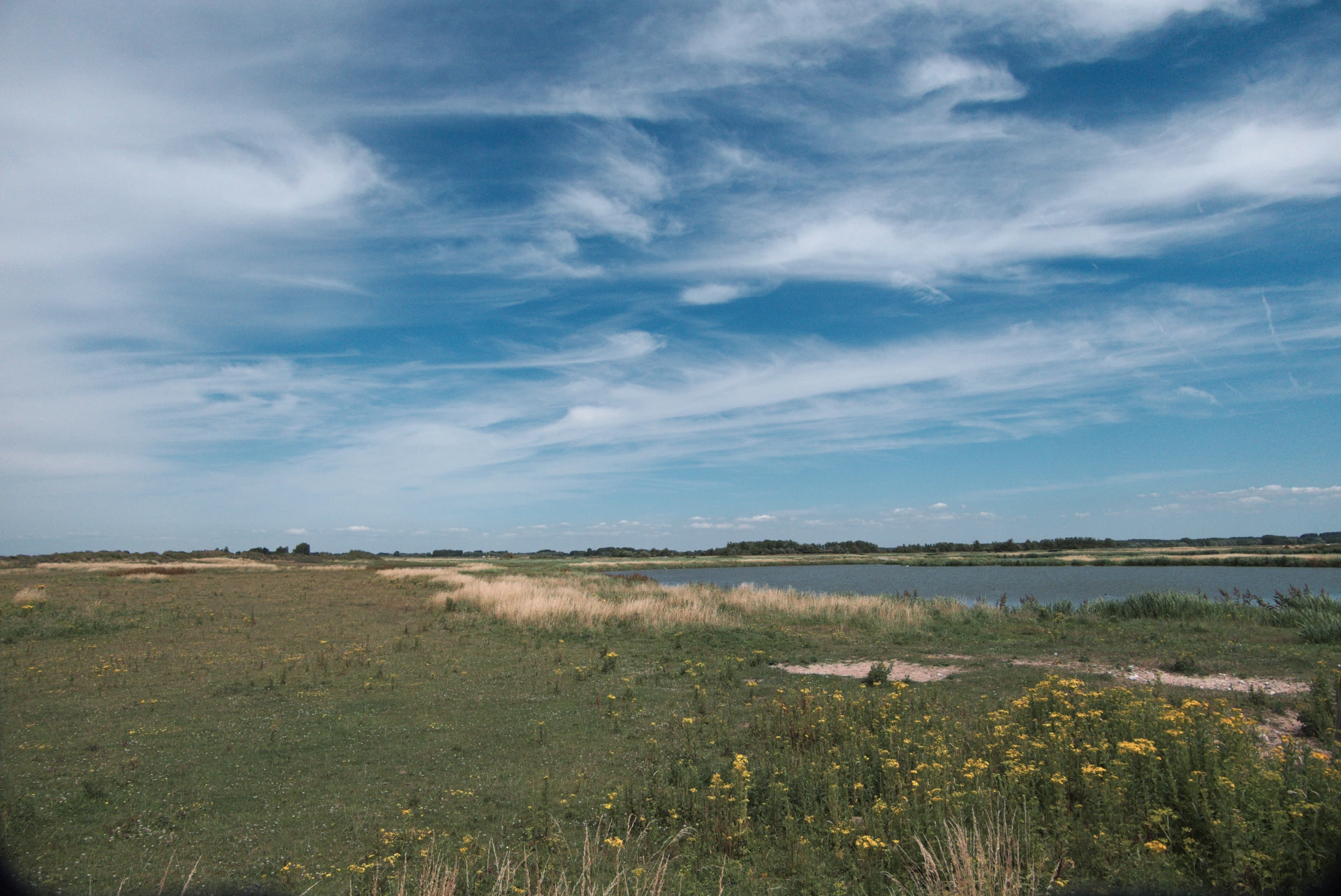
A former maritime lagoon sheltered from the sea by an impressive pebble spit, the Hâble d'Ault stretches over approximately 180 hectares between Cayeux-sur-Mer and Ault, south of the Somme Bay. This unique geomorphological site owes its existence to the slow erosion of the Norman chalk and flint cliffs, whose pebbles carried by littoral drift formed a natural rampart against the Channel's onslaughts.
Closed off from the sea in 1766 by the construction of the Grand Barrement dyke, the site was once the largest fishing centre in northern France during the Middle Ages, before being converted to agriculture and then hunting. Now managed as a wildlife and hunting reserve by the French Office for Biodiversity (OFB), it stands as one of the most significant ornithological sites on the French coastline.
Over 270 migratory bird species have been recorded here since the late 19th century. The reserve is a critical waypoint on the Atlantic flyway migratory corridor: greylag geese, Garganey, northern shovelers, Eurasian spoonbills, pied avocets and numerous shorebirds stop over in spring and autumn. The botanical wealth is equally remarkable, with nearly 250 plant species, some of which — such as sea kale (Crambe maritima) — are nationally protected.
Between brackish waters, reedbeds and pebbles, the Hâble d'Ault offers a landscape that is both mineral and alive, where each tide reshapes the feeding and resting grounds of hundreds of birds. An exceptional exploration ground for any naturalist.

(Call at no extra charge)
We are here to help
Monday to Friday, from 9 a.m. to 7 p.m.